


Four | Buy Now, Pay Later
4.45.45K Reviews
App Specs
- Version
- 1.17.84
- Updated On
- License
- Free
- Downloads
- 1,000,000+
- Developer
- Four Technologies, Inc
- Categories
- Shopping
- Platform
- Android, iOS
Screenshots
 Analysis by AppCompare
I’d treat Four as a checkout option to plan around, not as extra money in a household budget. That distinction matters when several people share a device or shop for the same home: one person may be choosing the item, another may be watching the bills, and the installments still need to fit the account holder’s own finances. Four | Buy Now, Pay Later is a free shopping app from Four Technologies, Inc, built around splitting eligible purchases into four payments. I find that setup most useful when it smooths the timing of a planned purchase—not when it encourages an impulse buy.
When a shared household is shopping
Picture replacing a household item after it stops working. One person compares options, another checks whether the purchase can fit the month’s budget, and a third may simply be borrowing the phone to browse. Four can be relevant at the payment decision, but it should not be treated as a shared household wallet. Before anyone places an order, agree on who is making the purchase and who is responsible for the later payments. That small conversation can prevent a common misunderstanding: seeing an item in a shared shopping session does not mean everyone has agreed to take on its cost.
For a shared device, I’d keep the account holder in charge of signing in and completing checkout. Letting someone else browse is different from letting them use an account or authorize a purchase. This is especially practical in a home where people have different spending habits or where a phone gets passed around. The app’s usefulness depends on keeping that boundary clear, rather than assuming the household can manage one payment plan collectively.
Keep the payment plan tied to one person
The key question before choosing installments is not just whether the first payment feels affordable. It is whether the remaining payments will still make sense alongside regular bills and other planned purchases. I’d check the full purchase total against the household budget first, then decide whether dividing it up genuinely helps. If the item is not necessary, or the later payments would make another bill harder to cover, paying through a usual method—or waiting—is the safer choice.
That is also why I would avoid opening the app casually with a child or another family member and treating the displayed buying option as permission to shop. The purchase should be an intentional decision by the person taking responsibility for it. Four is a shopping and payment tool, not a household budgeting agreement, and the distinction matters most when more than one person uses the same screen.
Your Personal Shopping Companion
With Four | Buy Now, Pay Later, shopping becomes an enjoyable and stress-free experience. I mean, who doesn't love the idea of grabbing what they want now and worrying about the payment later? The app is designed to give you that flexibility without the usual hassle of credit checks or hefty interest rates. Simply put, it’s like having a personal shopping genie at your fingertips.
Easy to Use, Easy to Love
Diving into the app, the first thing that hits you is the slick, user-friendly interface. I was up and running in minutes. The setup is straightforward, and the app guides you through the process with helpful tips. Once you're in, browsing through your favorite stores and items feels smooth and seamless. You can literally shop from thousands of retailers without stepping out of your comfort zone.
Worth Reading Before You Choose

EA SPORTS FC Mobile 26 Is a Bigger Football Game, but It Takes Time

Flipboard Shows What News Apps Must Do Beyond the Feed

Switching to Android Auto Means Rethinking Your Driving Routine

Google Calendar Makes a Crowded Week Easier to Manage

Ludo King Makes the Most of the Minutes Between Plans

Baby Panda World Brings Quick Play to Modern Phones, but Its Game Library Feels Busy
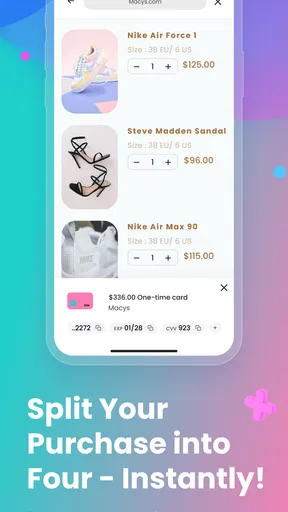
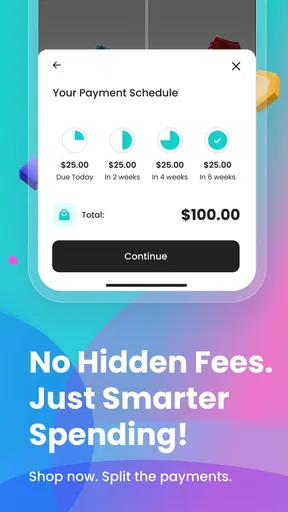
The app splits your purchase into four equal installments, which you pay over time. No stress, no mess. The best part? There’s no interest as long as you pay on time. It’s a sigh of relief for anyone who’s ever been caught off guard by unexpected fees.
Keeping Track of Your Spending
One of my favorite features is the dashboard. It keeps a neat overview of your current purchases and upcoming payments. It’s like having a personal accountant who doesn’t judge you for splurging on that extra pair of sneakers. The notifications are timely and helpful, ensuring you never miss a payment.
Plus, the app's transparency is commendable. You always know what you owe, when it's due, and how much is left to pay. It’s all about empowerment, allowing you to handle your finances like a pro.
What I’d check before checkout
When I consider a split-payment option, I look at the timing of every installment, not just the amount due today. A useful habit is to check the upcoming payment dates against paydays and recurring household bills before confirming an order. That makes the app’s overview more actionable: it becomes a way to notice a crowded week early, rather than a screen I only open after spending.
I’d also keep purchases separate in my own mental budget, even if the app presents them together. If you are buying a personal item while someone else is arranging a household order, write down who owns each expense and what budget it belongs to. That simple separation helps avoid the feeling that a few individually manageable plans have somehow become one large, hard-to-track commitment.
For a return or a change of mind, I would not assume that the payment schedule sorts itself out the moment an order changes. I’d check the merchant’s return process and the payment details in the app, then keep an eye on the account until the purchase and its installments are reflected as expected. This is a sensible step with any payment method that spans time: the retailer handles the order, while the financing arrangement has its own record to monitor.
Where it fits among shopping options
Compared with paying the full amount at checkout, Four can make a larger planned purchase feel less concentrated in one moment. That can be helpful for someone with steady income who wants a clear, short payment schedule and already knows how the later installments fit. Paying in full is still the cleaner option if you have the money set aside, prefer not to track future obligations, or want to keep your finances as simple as possible.
It is also different from putting a purchase on a credit card and carrying a balance. A card may be more familiar for everyday spending, but its costs and repayment structure depend on the account and how it is managed. Four’s appeal is the defined four-part approach; its trade-off is that each scheduled payment still has to be remembered and funded. I would not choose it just because a checkout offers it, and I would not use it to make a purchase seem cheaper than its actual total.
The app is best for deliberate purchases where the timing—not the underlying affordability—is the problem. If income is uncertain, if several payments are already due, or if you are trying to cover essentials without a workable repayment plan, I’d skip a pay-later option and look for a lower-cost purchase or wait. Convenience is useful only when it leaves you with a plan you can comfortably keep.
A Few Tips for First-Time Users
- Plan Ahead: While it’s tempting to go all out, remember to budget your purchases. It’s easy to get carried away with the excitement of buying now and paying later.
- Set Reminders: Though the app does a great job with reminders, setting personal alerts can help you stay on top of payments.
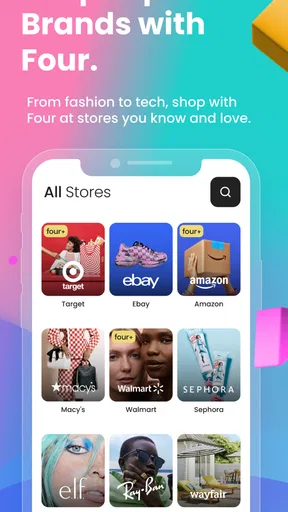
- Explore Retailers: Don’t just stick to what you know. The app partners with a wide range of stores, so explore new ones! You might find some hidden gems.
Age, account boundaries, and trust
Four has an Everyone content rating, and its current version is 1.17.72, with Android 6.0 as the minimum operating-system requirement. Those details describe the app’s store availability and content classification; they do not mean a young person should make payment decisions or use another person’s account. In a family setting, I’d keep purchases and account access with the adult who understands the repayment obligation, and explain to younger household members that browsing is not the same as having permission to buy.
Trust also means being realistic about what the app can do for coordination. The payment overview can help its user keep track, but the household still needs to communicate about shared costs. If one person is buying something for everyone, agree on the amount and responsibility before checkout instead of relying on another person to notice a notification later. A shared note or household budget can complement the app, particularly when several people contribute to expenses.
Who should use it—and who should pass
I can see Four working for a careful shopper who wants to spread a planned purchase across four installments, has room in the budget for each one, and is comfortable checking payment dates. It can also suit someone buying an agreed household item, provided one person clearly owns the purchase and the rest of the household understands how it will be handled. The app’s shopping focus makes it more relevant at the moment of deciding how to pay than as a general-purpose tool for managing every part of family spending.
I’d pass if you are likely to forget future due dates, prefer to keep shopping and bills entirely separate, or are using installments to justify buying something you otherwise would not choose. I’d also steer clear when a shared phone or account makes it unclear who is authorizing a purchase. In those situations, paying directly, waiting until the money is available, or choosing a simpler way to coordinate the expense is a better fit.
The app is free, and it has a 4.5 average rating from around 12,000 ratings, with more than a million installs. Those figures suggest plenty of people have tried it, but they do not tell me whether its payment approach suits a particular budget. I’d judge it by the clarity of the terms at checkout and by whether the scheduled payments fit my own circumstances, not by popularity alone.
The Verdict
All in all, Four | Buy Now, Pay Later is a fantastic tool for anyone looking to manage their finances smartly while still enjoying the thrill of shopping. It’s all about making life easier, and this app does just that. Whether you're a seasoned shopaholic or a cautious spender, this app has something to offer.
So, if you're like me and love the idea of grabbing what you want without the immediate hit to your bank account, give this app a whirl. It might just become your new best friend in the shopping world.
My household verdict is a little more measured: I’d use Four when a purchase is planned, the person responsible is clear, and the later payments already fit the budget. I would not treat it as a shared account, a substitute for a family spending plan, or a reason to buy sooner than is sensible. If you keep those boundaries in place, its installment approach can be convenient; if you need simplicity above all, paying in full remains the easier route.
Pros
- Flexible payment options for users.
- No interest if paid on time.
- Easy-to-use interface.
- Quick approval process.
- Integrates with many online stores.
Cons
- Late fees can add up quickly.
- Limited to specific retailers.
- No option for in-store purchases.
- Requires a credit check.
- May encourage overspending.
FAQs for Four | Buy Now, Pay Later
What is Four and how does it work?
Four is a 'Buy Now, Pay Later' app that allows users to make purchases and split the cost into four interest-free payments. After downloading the app, users can shop at participating retailers and select Four as the payment method at checkout. The first payment is made at the time of purchase, with subsequent payments spread over six weeks.
Is there a credit check required to use Four?
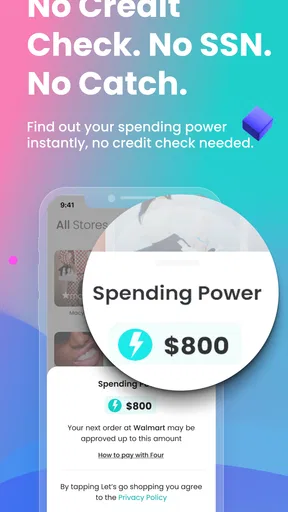
Four performs a soft credit check to determine eligibility, which doesn't affect your credit score. The app uses this information to assess your ability to make payments. Typically, Four is more flexible than traditional credit methods, making it accessible to a wider range of users, including those with limited credit history.
Are there any fees associated with using Four?
While Four offers interest-free payments, there are fees for late payments. If you miss a scheduled payment, a late fee may be applied. It's important to ensure that you have sufficient funds for each installment to avoid additional charges and to maintain a good standing with the service.
Which retailers accept Four as a payment method?
Four is accepted at a growing number of online and in-store retailers. The app frequently updates its list of partnered retailers, which can be found on their website or app. Users are encouraged to explore the available options to take full advantage of the service for various shopping needs.
How secure is my personal information with Four?
Four uses advanced encryption and security measures to protect user data, ensuring that personal and financial information remains confidential. The app complies with industry standards and regulations to safeguard your privacy. Users can confidently use Four, knowing that their information is secure.


